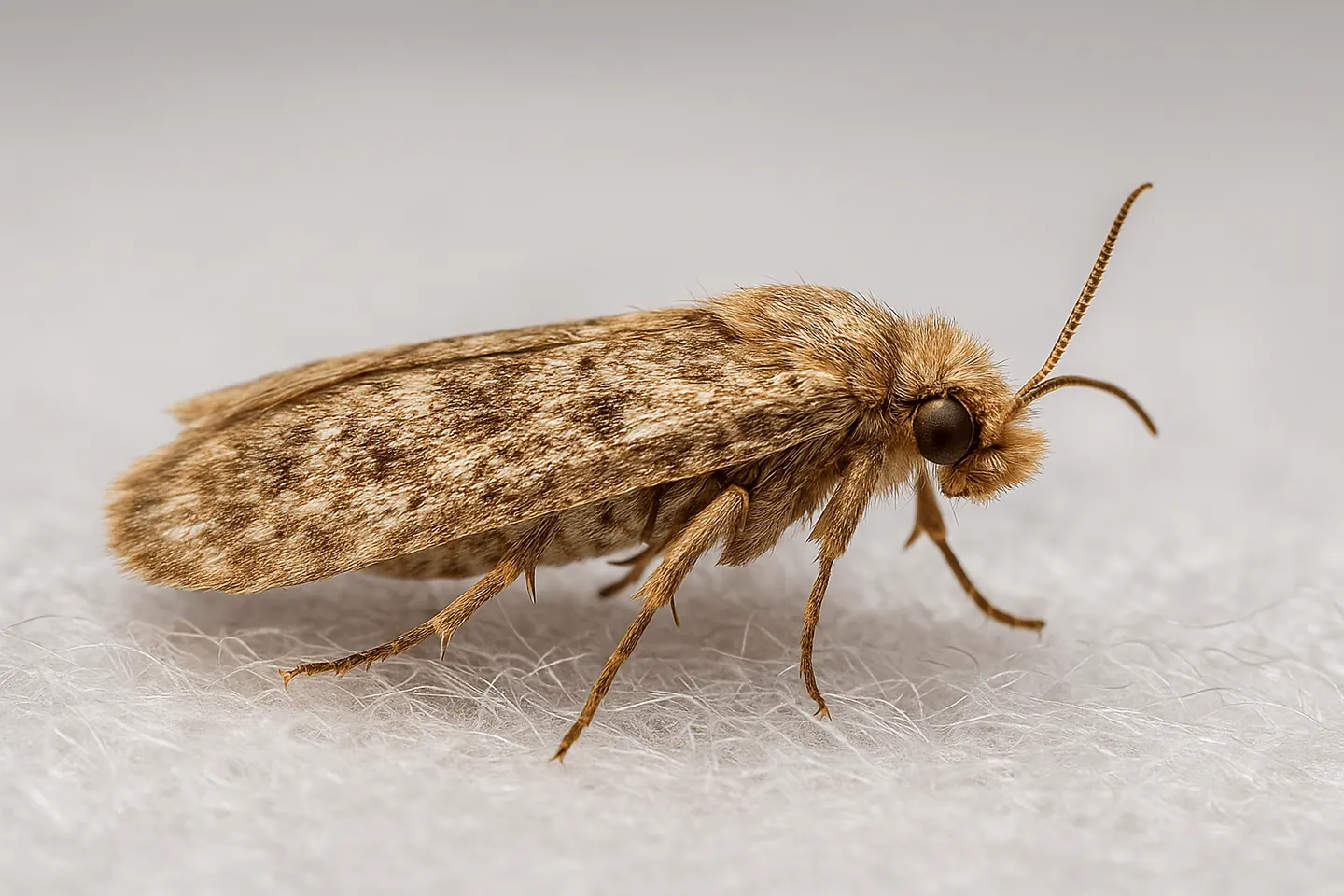
Wax Moth Control in Wakefield and West Yorkshire

Practical pest control support for homes and businesses.

Wax Moth Control

Wax moth in hives, stored comb or outbuildings? Treatment and prevention advice for beekeepers and property owners across Wakefield and West Yorkshire. Call 07951 157254.

We deal with wax moths for beekeepers and homeowners across Wakefield and West Yorkshire, from infested stored comb to larvae emerging from an old bee nest in a wall.

rat control wakefield vermicure
About Wax Moth Control

Why wax moths need professional control

Wax moth larvae eat beeswax comb and the pollen, cocoons and honey residue in it, tunnelling through frames and spinning dense silk webbing. The greater wax moth and the lesser wax moth both do it. A strong honey bee colony keeps them in check; weak colonies, stored frames and abandoned comb do not, which is why wax moths in beehives and stores recur.

In homes the trouble starts with a honey bee nest in a wall cavity, chimney or roof void that has died, leaving comb for larvae; they then appear on ceilings and moths gather at windows. We identify the moth, trace the source, remove or treat what we can reach and advise on storage and hive care.

Comb is a complete food source

Wax, pollen and honey residue feed larvae completely, so a few moths can strip stored frames in a season.

Weak and empty colonies are defenceless

Bees chase larvae off comb they cover; a struggling colony or a dead-out leaves comb unguarded.

They breed through the warm months

Eggs go in cracks around the hive, larvae feed for weeks, and several generations follow each summer.

Cocoons damage woodwork

Larvae gnaw boat-shaped hollows into frames, boxes and cavity timber before pupating, which look like woodworm.

Insecticide cannot go on comb or in a live hive

Spraying harms bees and contaminates wax and honey, so wax moth treatment relies on cold, biological products, hygiene and removal.

Signs of wax moths

Silk webbing through the comb

Dense white or grey webbing and tunnels across frames, with dark droppings caught in it.

Larvae

Cream or grey caterpillars with a brown head, up to two centimetres, on comb or ceilings.

Frass and debris

Dark gritty debris and shed skins on the hive floor or under stored frames.

Grooves in the woodwork

Shallow oval hollows chewed into frames, boxes and roof timbers, often with cocoons in place.

Moths at dusk

Greyish brown moths at the hive entrance at dusk, or indoors near a chimney breast.

Honey and wax stains

Dark patches, sticky runs or a smell of fermenting honey on a chimney breast or ceiling.

What we do on a wax moth visit

Step 1

Confirm the moth and find the comb

Our inspection separates wax moth from clothes moth, then finds the source: stored frames, a weak hive, a dead-out or a bee nest in the building.

Step 2

Remove what can be removed

Where comb sits in a chimney, wall or roof void we assess whether it can be reached and removed; infested frames are bagged for disposal or freezing.

Step 3

Treat the void and the surroundings

Once comb has gone we treat the cavity and the room with a residual insecticide. We do not spray live hives or comb going back on bees.

Step 4

Advise on storage and hive care

We go through freezing, sealed storage, strong-colony management and the biological comb treatments beekeepers use, and set a follow-up if larvae keep appearing.

Before we arrive

  • Beekeepers: note which hives or stored boxes are affected and have a hive tool ready.
  • Do not spray near the hive or comb before we arrive; it ruins comb and misses larvae inside.
  • If larvae appear in a room, note where you see them and where bees used to enter.
  • Clear around the hive stand or chimney breast and make sure we can reach the loft or wall.

Keeping wax moths out of hives and stores

  • Keep colonies strong and give a small colony only the comb it can cover; bees on every frame are the best wax moth control.
  • Freeze drawn comb for 48 hours before storing it in sealed containers or well-lit, airy stacks.
  • Inspect stored frames every few weeks over summer and deal with webbing as soon as it appears.
  • Clear dead-outs promptly and freeze, render or dispose of the comb rather than leaving it in the box.
  • Have the cavity cleaned and sealed after a bee nest is removed, so residue does not feed wax moths, ants and mice.

What affects the price

  • Whether the source is stored equipment, a hive or comb inside a building.
  • How accessible the comb is and whether a chimney or wall must be opened.
  • How many rooms or outbuildings larvae and moths have spread into.
  • Whether we are removing material, treating a void or advising on hive practice.

Common questions about wax moth control

Where can wax moth activity appear?
Wax moth issues can be linked to stored wax, hive materials, outbuildings, and other suitable organic harbourage.
Is source removal important?
Yes. Identifying and managing the source material is usually important for long-term control.
Do wax moths eat clothes or carpets?
No. Wax moths live on beeswax, pollen, cocoons and honey residue. Larvae on clothes or in carpet are clothes moths or carpet moths, which need a different approach.
Can you treat wax moths inside a working hive?
Not with insecticide, which harms bees and contaminates wax and honey. In a live colony the answer is strong bees, less empty comb and the biological comb treatments beekeepers use.
Why are wax moth larvae appearing in my living room?
Almost always because a honey bee colony lived in the chimney, a wall or the roof and has died, leaving comb; larvae work through it and wander out through gaps in the plaster. Removing the comb is the fix.
Will freezing kill wax moth eggs and larvae?
Yes. Two days at minus 18 degrees kills eggs, larvae and pupae in frames and comb; seal the frames in bags afterwards so moths cannot lay on them again.

Need help with wax moth control?

Tell VermiCure what you have noticed and ask about the next step.