Cluster Fly Control in Wakefield and West Yorkshire

Practical pest control support for homes and businesses.

Cluster Fly Control

Hundreds of sluggish flies in the loft or at the windows each autumn? Cluster fly treatment for homes and buildings across Wakefield and West Yorkshire.

We treat cluster flies in lofts, roof voids and window frames across Wakefield and West Yorkshire, in houses, farms and offices that fill with sluggish flies every autumn.

cluster fly control wakefield vermicure pest control
About Cluster Fly Control

Why cluster flies need professional control

Cluster flies arrive in autumn, when the adults leave the fields where they bred and crowd into lofts, roof voids, sash windows and wall cavities for overwintering. On a mild day they wake, drift into the rooms beneath and gather at windows in hundreds. They do not breed indoors or bite, but the numbers make a house hard to live in.

The larvae develop inside earthworms in surrounding grassland, so the supply comes from the fields around you, not the building, and each autumn a new generation follows the scent left by last year's flies back to the same walls and gaps. We treat the roosting spaces, reduce the gaps they use and time the work for the season.

The source is outside

Larvae grow in earthworms in surrounding fields, so control works on the roosts and gaps, not a breeding site.

They return to the same building

Flies leave a scent marker where they overwinter and the next generation follows it, which is why one house fills while its neighbours do not.

Roof voids are hard to treat

Flies in roof space sit in the eaves, between rafters and tiles and in sash window boxes, beyond ordinary reach.

Lofts may hold bats

Bats share lofts with cluster flies and are protected by law, so we check for signs of bats before any loft treatment.

Mild winter days bring them out

Every warm spell wakes some of the flies, so without treatment the problem returns from October through to spring.

Signs of cluster flies

Slow flies at the windows

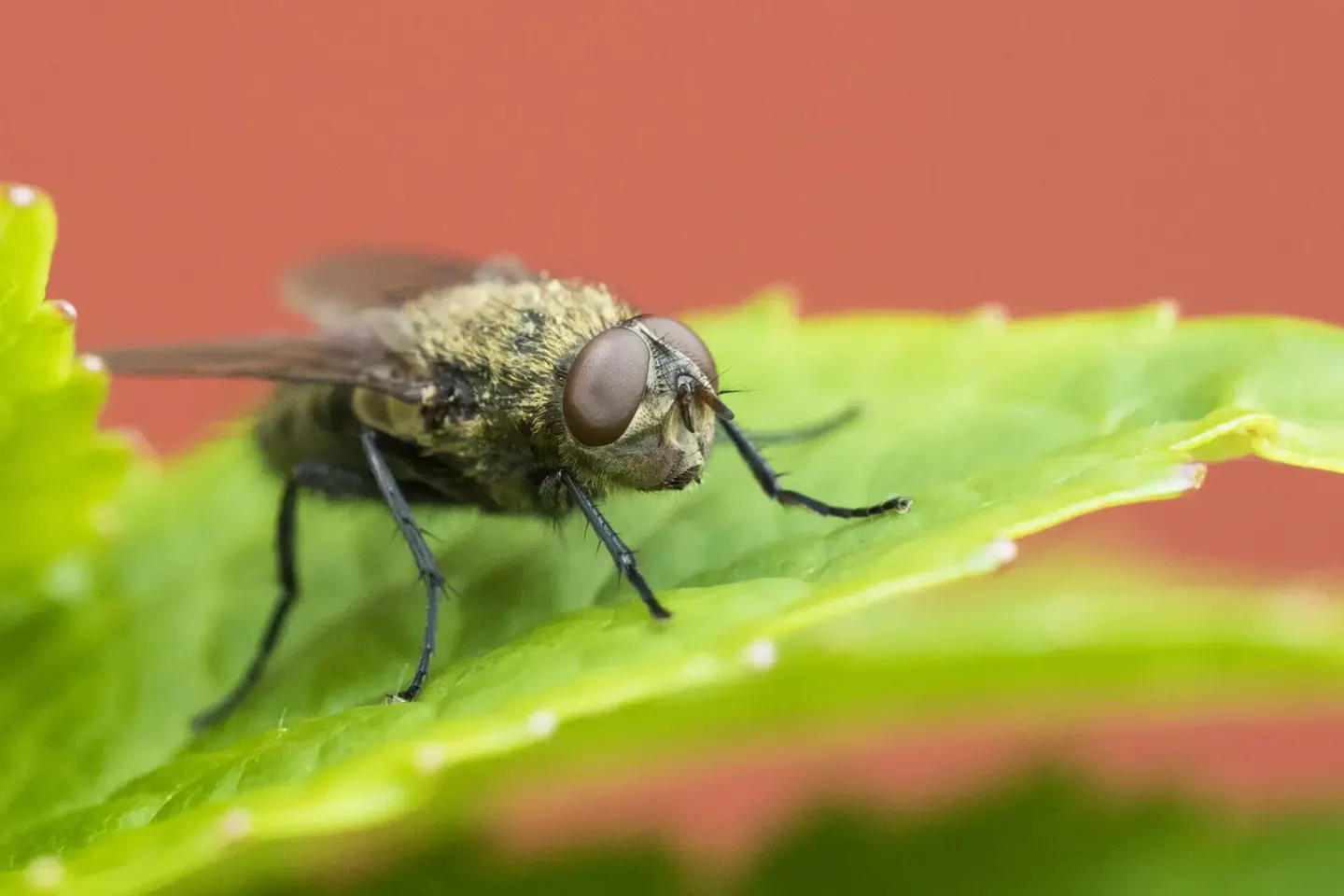
Sluggish dark grey flies, slightly larger than houseflies, bumping along south-facing windows and ceilings on mild days.

Golden hairs and overlapping wings

Fine golden hairs on the back and wings folded one over the other at rest.

Clusters in the loft

Masses of flies in the eaves, around the loft hatch, on roof timbers or in a disused chimney, still until warmed.

Dead flies on sills and floors

Piles of dead or dying flies on windowsills, in light fittings, in sash window boxes and under loft insulation.

A sweet, musty smell

A faint sickly smell in the loft or spare room where flies have been roosting in numbers.

What we do on a cluster fly treatment visit

Step 1

Inspect the roof void and the affected rooms

We look at where the flies roost, how they get in around the eaves, soffits, vents and window frames, and check for bats and bird nests.

Step 2

Treat the roosting spaces

We treat the loft and roof voids with an insecticidal space treatment that reaches between timbers and tiles, and treat the surfaces around windows and eaves.

Step 3

Reduce the entry points

We point out the gaps worth sealing and advise on fly screens, mesh behind vents and sealing gaps around window frames.

Step 4

Plan for next season

Cluster flies return each autumn, so we tell you the best timing for a preventive treatment and set up repeat visits where you want them.

Before we arrive

  • Clear a route to the loft hatch and move stored items away from the eaves so we can reach the roof timbers.
  • Vacuum up dead flies from windowsills and light fittings so we can see where new ones are gathering.
  • Note which rooms and windows the flies use most and when you first saw them this year.
  • Tell us if you have ever seen or heard bats in the roof. It changes how we treat the loft.

Keeping cluster flies out next autumn

  • Seal gaps around window frames, soffits, fascia boards and pipe entries with sealant or mesh before late summer.
  • Fit fine mesh behind air bricks and vents in the roof and gable ends so air moves but flies do not.
  • Fit fly screens or close the windows on the sunny side of the house on warm autumn days.
  • Vacuum dead flies from sills, window boxes and the loft rather than leaving them to attract carpet beetles.
  • Book preventive treatment for early autumn if the building fills every year.

What affects the price

  • The size and accessibility of the loft and roof voids the flies are using.
  • How many rooms and windows are affected across the building.
  • Whether we are treating once or setting up repeat autumn visits.
  • Whether bats, birds or the building's construction call for a different method.

Common questions about cluster fly control

Why do cluster flies appear in lofts and windows?
Cluster flies often gather in sheltered spaces during colder periods and may become visible around windows, lofts, and roof spaces.
Can cluster flies return seasonally?
Yes. Seasonal patterns are common, so control and proofing advice should consider likely return points.
Are cluster flies harmful?
No. They do not bite, breed indoors or feed on waste, so they are not associated with disease in the way houseflies are. The harm is nuisance: numbers, noise, dead flies and smell.
Why does my house get cluster flies and the neighbours do not?
Cluster flies pick buildings that face the sun, have gaps around the roof and carry the scent marker left by earlier generations. Aspect and eaves matter more than cleanliness.
Can I treat cluster flies myself?
Vacuuming, fly screens and sealing gaps all help. Household aerosols kill the flies in the room but not the thousands waiting in the roof, and spraying a loft calls for the right equipment and a check for bats first.
When is the best time to treat cluster flies?
Early autumn, as the flies arrive, before they settle in numbers. We also treat in winter when flies emerge into rooms, and in spring if they are still coming down.

Need help with cluster fly control?

Tell VermiCure what you have noticed and ask about the next step.