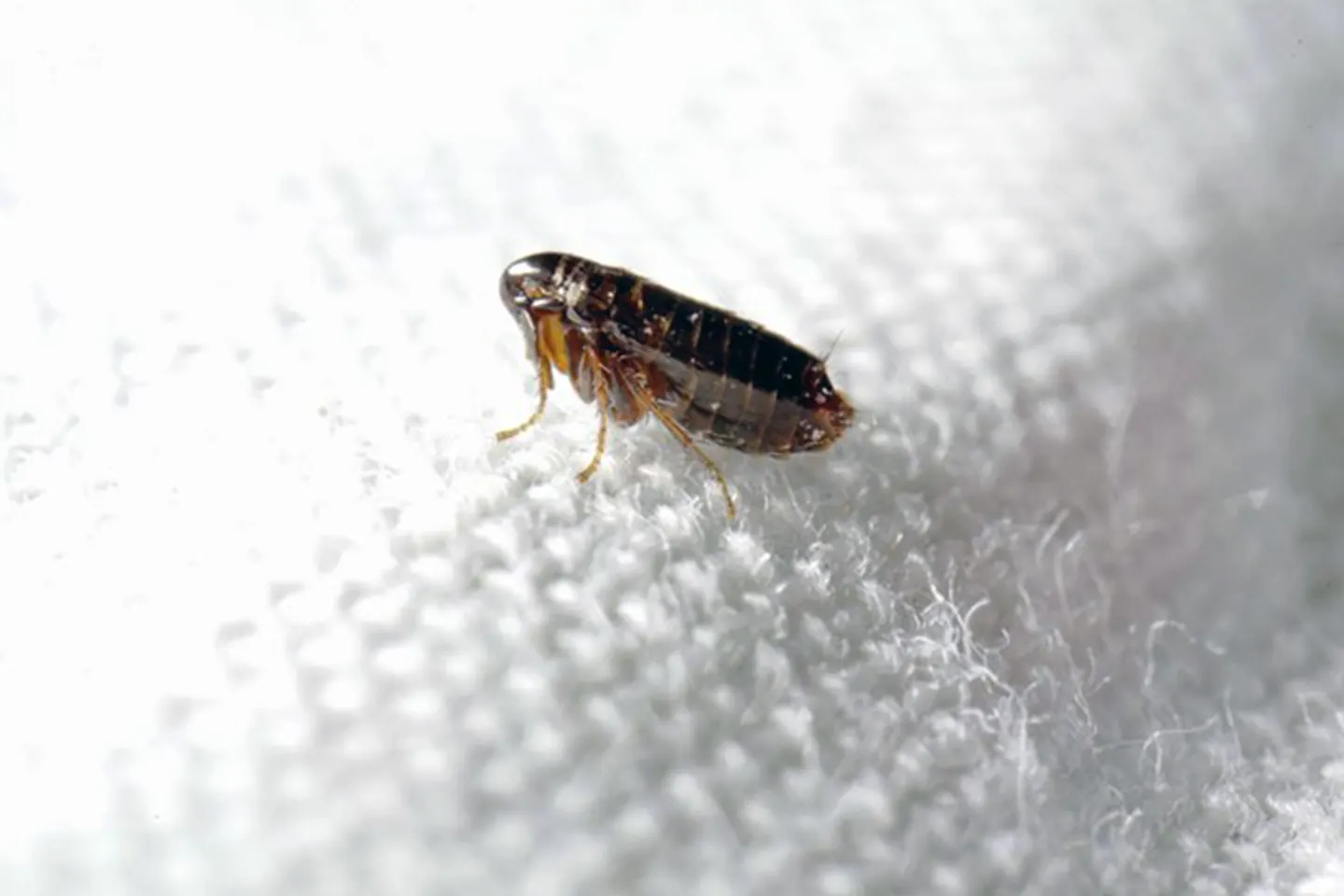
Flea Control in Wakefield and West Yorkshire

Practical pest control support for homes and businesses.

Flea Control

Flea control for homes, rental properties and businesses in Wakefield and West Yorkshire, with preparation, treatment and aftercare guidance.

We treat fleas in homes, rented properties and businesses across Wakefield, Huddersfield and the rest of West Yorkshire, most often where cats and dogs live or have lived.

Insect pest control support from VermiCure
About Flea Control

Why fleas need professional control

Fleas live in your home, not just on your pet. Cat fleas and dog fleas feed on the animal, but the eggs fall into carpets, bedding, upholstery and floorboard gaps, where larvae feed and spin cocoons. Only a small part of the population is ever on the animal.

The cocoon stage makes the flea life cycle awkward. Pupae wait in the carpet for months and hatch when they sense warmth and vibration, which is why an empty flat erupts with fleas the day someone moves in. We treat every floor and soft furnishing where eggs and larvae can be, and explain what to do with the pets and bedding.

Most fleas are not on the pet

Eggs, larvae and pupae in carpets, under furniture and in bedding far outnumber the adults on the animal.

Pupae survive sprays

The cocoon protects the developing flea from insecticide and vacuuming, so control relies on a residual treatment that kills fleas as they emerge.

Eggs are laid in hundreds

A female cat flea lays dozens of eggs a day for weeks, so a few adults become a carpet full of larvae.

Bites and allergies

Flea bites itch, often around the ankles, and fleas pass tapeworm to cats and dogs that swallow them.

Hard floors are not flea-proof

Larvae live in floorboard gaps, under skirting, in rugs and in the sofa, so a house without carpet can still carry a population.

Signs of fleas in your home

Scratching pets

Cats and dogs scratching and grooming more than usual, with scabs or thinning hair at the neck and tail base.

Bites on ankles and legs

Small red itchy bites, often in groups or lines, around the ankles and lower legs.

Flea dirt

Black specks like ground pepper in the pet's coat and on bedding, which smear red on damp tissue.

Jumping specks

Dark insects a couple of millimetres long jumping from the carpet onto white socks or moving through the fur.

Tapeworm segments

Rice-like segments in the pet's bedding or around its tail, a sign it has swallowed infected fleas.

What we do on a flea treatment visit

Step 1

Inspect and confirm

We check carpets, pet bedding, sofas, floorboard gaps and where the pet sleeps, confirm fleas rather than bed bugs or bird mites, and decide which rooms need treating.

Step 2

Treat floors and soft furnishings

We apply a residual insecticide, usually with an insect growth regulator, to carpets, rugs, hard floor edges, under furniture, pet bedding areas and the sofa.

Step 3

Coordinate the pets

The pet must be treated with a product from your vet on the day of the visit, or it carries fleas back in. We do not treat animals.

Step 4

Explain the weeks after

We tell you how long to keep off treated floors, when to vacuum again, and why a few fleas may still appear.

Before we arrive

  • Vacuum every carpet, rug, hard floor and the sofa, including under cushions and along the edges, then empty the vacuum outside.
  • Wash pet bedding, throws and your own bedding on the hottest wash the fabric allows, and tumble dry if you can.
  • Clear the floors of toys, clothes and boxes so every part of the carpet is open, and move light furniture off the walls.
  • Arrange vet flea treatment for every cat and dog for the day of our visit, and cover fish tanks in rooms we treat.

Keeping fleas from coming back

  • Keep every cat and dog on a vet-recommended flea treatment all year; heated homes keep fleas breeding through winter.
  • Vacuum regularly, especially where the pet sleeps, under furniture and along skirting, and empty the vacuum outside.
  • Wash pet bedding weekly on a hot wash and keep pets off beds and sofas, or cover them with a washable throw.
  • Check pets with a flea comb over white paper after walks and visits to other animals.

What affects the price

  • The number of rooms and floors with carpet, rugs or soft furnishings to treat.
  • How many animals live in the property and how long the infestation has run.
  • How well the rooms are prepared, cleared and vacuumed before we arrive.
  • Whether a second treatment is likely, which we discuss after the first visit.

Common questions about flea control

Do I need to prepare before flea treatment?
Yes. Preparation such as vacuuming, clearing floors, washing bedding, and managing pet treatment can make the visit more effective.
Can flea activity continue after treatment?
Some activity can continue while the lifecycle is interrupted. Aftercare advice explains what is normal and when further action may be needed.
Do you treat the pets as well?
No. Pets need a flea product from your vet, applied on the day of the treatment. Treating the animal without the house, or the house without the animal, leaves half the population to restock the other.
How long do I stay off the carpets after flea treatment?
Until it is dry, which we confirm before we leave. We then ask you not to vacuum treated carpets for the period we agree, usually around two weeks.
Why are there fleas in a house with no pets?
Because pupae left by a previous occupant's pet or by wildlife under the floor lie dormant for months and hatch when people move about. Empty flats between tenants are the classic case.
Can I treat fleas myself with a spray or a flea bomb?
Retail sprays and foggers kill adult fleas on open surfaces but rarely reach the larvae and pupae under furniture and in the pile. If you have used one, tell us.

Need help with flea control?

Tell VermiCure what you have noticed and ask about the next step.