Bed Bug Removal in Wakefield and West Yorkshire

Practical pest control support for homes and businesses.

Bed Bug Removal

Bed bug removal for homes, landlords and hotels in Wakefield and West Yorkshire, with treatment, preparation and aftercare guidance for affected rooms.

We remove bed bugs from homes, rented rooms, hotels and guest houses across Wakefield and West Yorkshire, treating the bed, the room and the routes they use to spread.

Bed Bug Removal support from VermiCure Pest Control
About Bed Bug Removal

Why bed bugs need professional removal

Bed bugs feed on sleeping people and hide within a few metres of the bed: in mattress seams, bed frame joints, behind the headboard, in bedside drawers, behind skirting and sockets and under the carpet edge. They come out at night, feed and hide again, so you find bites and spots before you see a bug.

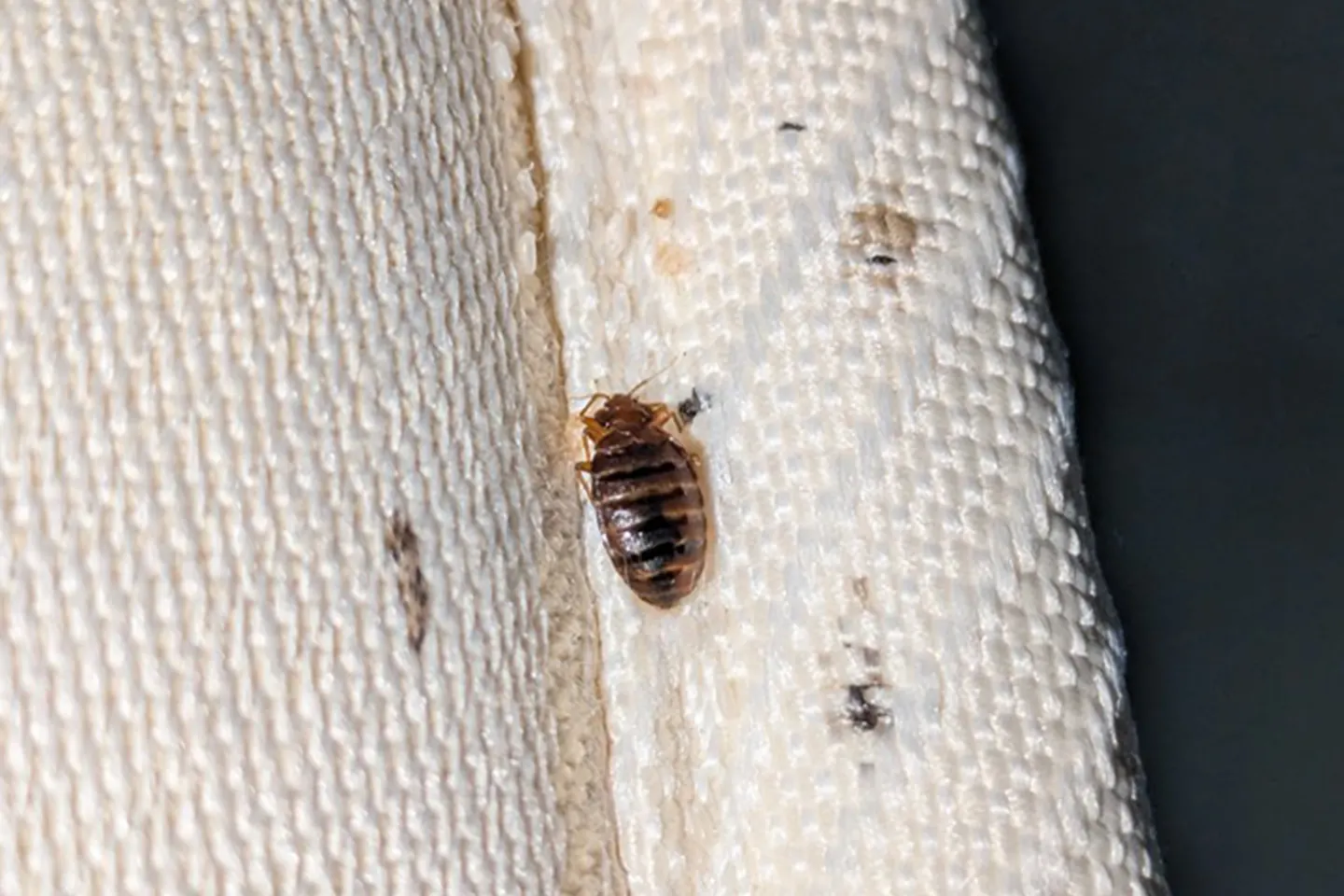
Adults are flat, reddish brown and the size of an apple seed; the eggs are tiny, white and glued into seams. They travel in luggage, on second-hand furniture and along pipes between flats, and can wait months without feeding. We find where they hide, treat the bed and the room, explain the laundry and come back to check.

They hide where sprays do not reach

Eggs and bugs sit deep in seams, screw holes, frame joints and behind sockets, where a surface spray does not reach.

Eggs hatch after the first treatment

Eggs resist most insecticides and hatch over a week or two, so a follow-up visit is usually needed for the hatchlings.

A few bugs become an infestation

Each female lays a few eggs a day for months, so early action means fewer rooms affected.

They spread with people and furniture

Bugs move between bedrooms, through walls and ducts in flats and HMOs, and into other homes on bags and furniture.

Retail treatments spread them

Aerosols and foggers scatter bed bugs into neighbouring rooms and do not reach the eggs.

Signs of bed bugs

Bites in lines or clusters

Itchy red marks on skin exposed in bed, often in rows of three or four.

Blood spots on the sheets

Small rusty spots on sheets where a feeding bug has been crushed.

Dark spots on seams and frames

Clusters of black specks, bed bug droppings, along mattress seams, on the frame and behind the headboard.

Shed skins and eggs

Pale translucent shed skins and tiny white eggs in seams, frame joints and screw holes.

Live bugs

Flat, oval, reddish brown insects the size of an apple seed in seams and joints.

What we do on a bed bug treatment visit

Step 1

Inspect the bed and the room

We strip the bed, check mattress seams, the base, frame joints, headboard, bedside furniture, skirting and sockets, and confirm bed bugs.

Step 2

Treat the harbourages

We apply a residual insecticide to the frame, base, seams, skirting and furniture joints, use insecticidal dust behind sockets, and use steam on seams and items that suit it.

Step 3

Advise on laundry, luggage and encasements

Bedding and clothing go through a hot wash and tumble dry, and mattress encasements trap anything left inside so it starves.

Step 4

Follow up

We return after surviving eggs have hatched, inspect again and treat again where needed. Monitors under the bed legs show whether bugs are still moving.

Before we arrive

  • Strip the bed and bag bedding and nearby clothing, then wash at 60 degrees and tumble dry on hot, keeping it bagged until treatment is finished.
  • Empty bedside drawers and wardrobes into sealed bags and keep the bags in that room; moving items spreads the bugs.
  • Pull the bed off the wall, vacuum the mattress seams, frame, skirting and floor, then bag the vacuum contents for the outside bin.
  • Keep sleeping in the room. Moving to the sofa or a spare room draws the bugs after you and spreads the problem.

Keeping bed bugs out

  • Check hotel beds before you unpack: look at the mattress seams and behind the headboard for dark spots, and keep luggage on a rack.
  • After travelling, unpack straight into a hot wash and check the suitcase seams.
  • Inspect second-hand beds, mattresses and sofas before they come into the house, and avoid anything left on the street.
  • Fit mattress and base encasements after treatment and leave them on for at least a year; they make inspection simple.
  • In rented and shared buildings, report bites early and treat adjoining rooms together; bugs move through walls.

What affects the price

  • How many rooms are affected and whether adjoining rooms or flats need treating together.
  • How heavy and long-standing the infestation is, which sets the number of treatments.
  • How much furniture and clutter is in the rooms and how much is prepared beforehand.
  • Whether the job is one household or a hotel, HMO or block with a programme of visits.

Common questions about bed bug removal

What are common bed bug signs?
Bites, blood spotting, dark marks, shed skins, live insects, and activity around bed frames, mattresses, headboards, and furniture can all indicate bed bugs.
Do I need to prepare before bed bug treatment?
Yes. Preparation and aftercare are important. We explain what to move, clean, bag, or avoid before and after treatment.
Where do bed bugs come from?
Almost always from somewhere people sleep: a hotel, student halls, a previous tenant or an adjoining flat, carried home in luggage or second-hand furniture. They are not a sign of a dirty home.
Do you use heat treatment for bed bugs?
We use steam and insecticide. Steam kills bugs and eggs on contact; a residual insecticide keeps working where bed bugs return to. Whole-room heat treatment is a separate approach, and we advise on it after inspecting.
Should I throw the mattress away?
Usually not. A mattress can be treated and encased, which traps anything left inside. Throwing it out spreads bugs on the way to the door and leaves the frame untreated.
Can bed bugs live in an empty room?
Yes. Adults can go months without feeding and wait for the room to be used again. Treat, encase, then reoccupy.

Need help with bed bug removal?

Tell VermiCure what you have noticed and ask about the next step.