
Inspect
We check behind kitchen units, under the stairs, in the loft and along the outside walls for droppings, nests, gnawing and gaps; a UV torch or tracking dust shows the routes.

Practical pest control support for homes and businesses.
Mice control for homes and businesses in Wakefield and West Yorkshire, combining inspection, treatment, monitoring and entry-point proofing advice.
We treat mice in houses, flats, kitchens, lofts and business premises across Wakefield and West Yorkshire, and show you how they got in.
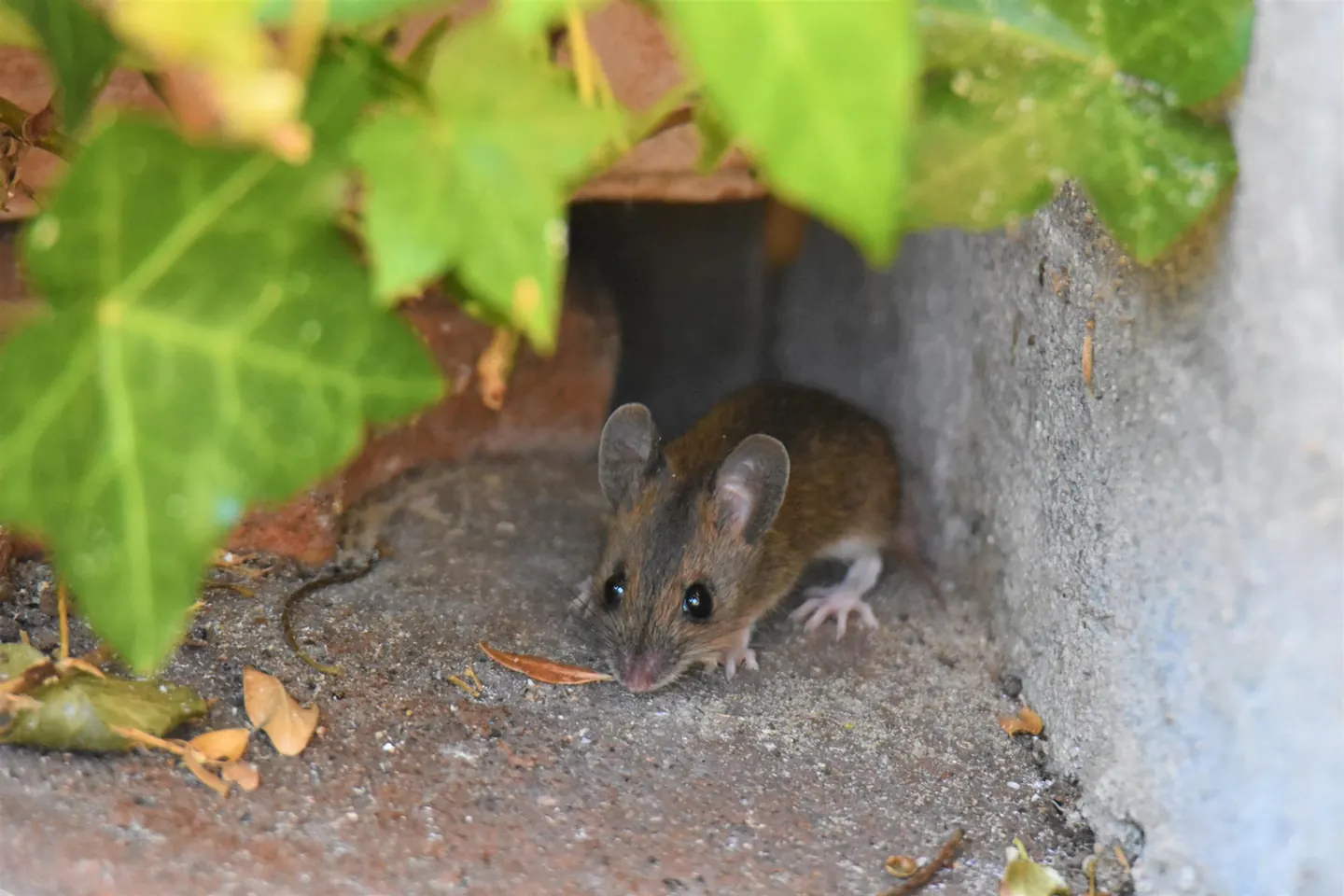
A house mouse seen once is almost never alone. Mice live in family groups, nest within a few metres of food and get through 6mm gaps, so a kitchen or the void behind a fitted unit can hold a colony you never see.
At VermiCure we treat the mice and the building together. Mice removal alone is half a job, so we find the nests and routes, set traps and bait stations where the mice travel and show you every gap to seal. We do mouse control in Wakefield and West Yorkshire for homes, landlords and businesses.
A house mouse gets through a hole the width of a pencil: around pipes under the sink, behind the cooker and where cables enter.
A female has a litter every three to four weeks and the young breed within two months. Two mice in autumn is a mouse infestation by spring.
Mice rarely travel far from the nest, so nests of shredded paper or insulation turn up behind kick boards, in airing cupboards and in the loft.
Mice urinate and drop constantly, leaving salmonella and other bacteria on worktops and packaging. Anything they have walked over needs cleaning or binning.
Mice chew cabling, pipework and insulation, and chewed wiring behind appliances is a fire risk. Small and nocturnal, they go unnoticed for months.
Small, dark, rice-grain shaped and 3 to 6mm long, in cupboards, drawers and along skirting.
Scuttling in the ceiling, behind kitchen units or under the floor once the house is quiet.
Nibbled cereal boxes, bread bags and pet food, and chew marks on cables and skirting.
Shredded paper, loft insulation, fabric or cardboard packed into a hidden corner.
A stale odour in cupboards or the loft, and smudges along well used routes.
We check behind kitchen units, under the stairs, in the loft and along the outside walls for droppings, nests, gnawing and gaps; a UV torch or tracking dust shows the routes.
We set traps and lockable bait stations on those routes, inside and out, in numbers that match the problem, and explain what to expect.
We show you every entry point we have found and, where you want us to, seal them with steel wool, mesh and sealant, including the gaps behind kick boards.
We return to reset the traps and stations, remove dead mice and judge from fresh droppings and bait take whether the activity has stopped, then collect the bait.
Tell VermiCure what you have noticed and ask about the next step.
