
Inspect and confirm
We look for the mites and rule out bed bugs and fleas, then trace the route back to the nest: eaves, soffit, loft, chimney or a vent over the affected room.

Practical pest control support for homes and businesses.
Bird mite control in Wakefield and West Yorkshire for properties affected by nesting birds, loft activity, roofline issues and mites moving into rooms.
We treat bird mite problems in homes and workplaces across Wakefield and West Yorkshire, tracing them back to the nest that caused them.
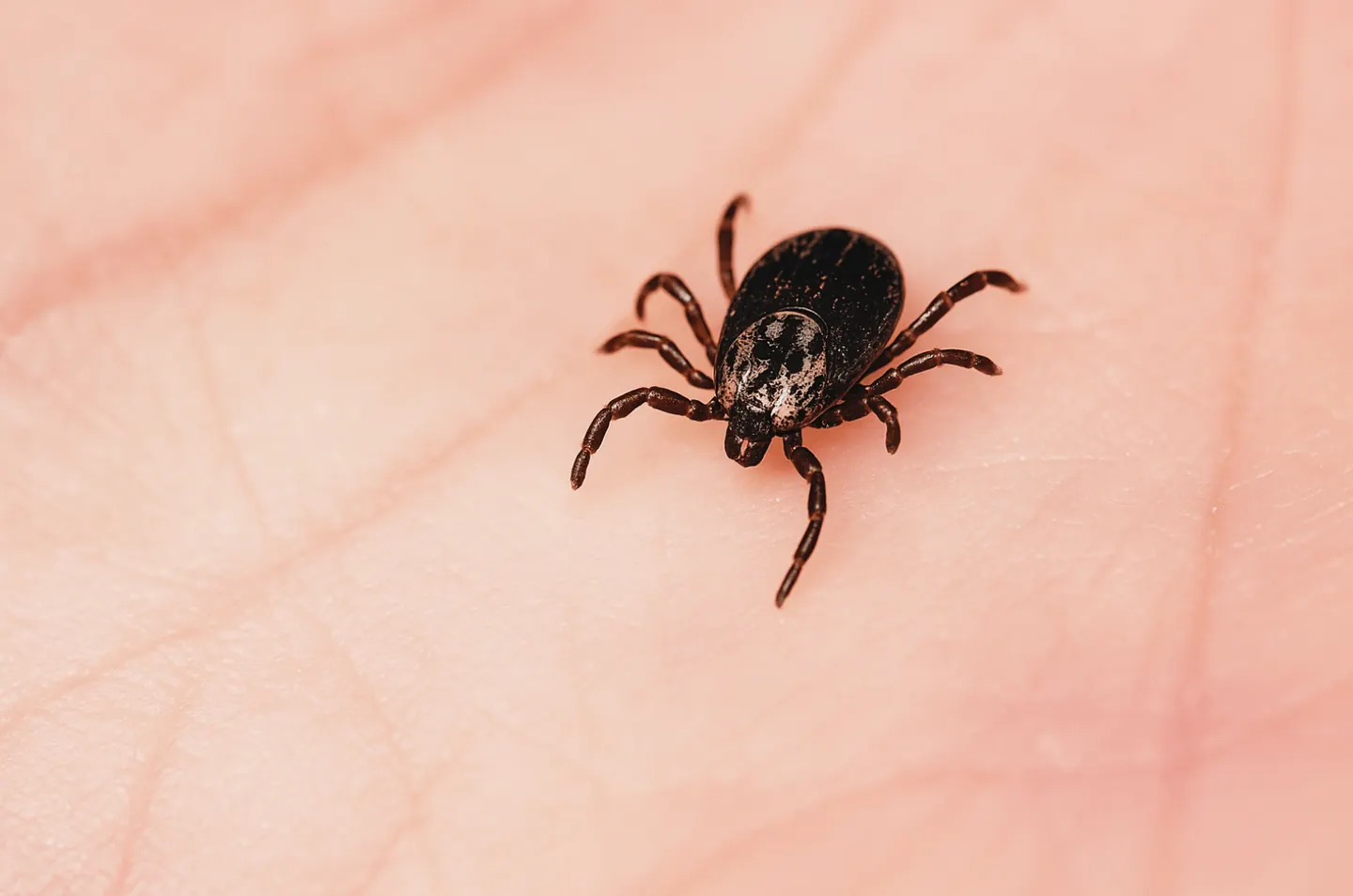
Bird mites live on nesting birds and in the nest itself. When the chicks fledge and the nest empties, usually in late spring and summer, the mites lose their host and wander out through the eaves, soffit, loft or window frame into the rooms beneath, where they bite people. The first sign is often itching at night with no insect to be seen.
We find the nest, usually pigeons, starlings or sparrows in the eaves or loft, treat the voids and the rooms the mites have reached with a residual insecticide, remove the nest and its debris once the law allows, and proof the gap so birds cannot nest there again. Treating the bedroom alone does not deal with the problem while the nest stays.
Bird mites in the house are regularly mistaken for bed bugs or fleas. We work for householders, landlords, letting agents and workplaces where general insect treatments have not explained the bites.
The mites breed in the warmth of an occupied nest. Once the birds leave, large numbers are left with nothing to feed on; they can go weeks without a meal, and they move.
Bird mites, often called red mites, are well under a millimetre long, pale grey until they have fed and red afterwards. People notice the bites and a crawling sensation long before they see a mite.
Bites in small clusters, worse at night, with no bed bug signs on the mattress and flea treatments that make no difference, point towards bird mites. The nest overhead usually settles it.
If the eaves gap is left open, the same birds or their young nest there again next spring and the mites return with them. Proofing the gap matters as much as the treatment.
Small itchy red spots, often in clusters, appearing overnight on arms, neck and shoulders.
Symptoms worse in a bedroom or office directly under the eaves or loft, and better elsewhere.
Tiny grey, white or red dots crawling on window sills, walls, ceilings, bedding or light fittings.
Birds going in and out of a soffit, fascia gap, vent or chimney over the affected room.
Trouble starting in late spring or summer, soon after chicks have fledged, or after a nest has been disturbed.
We look for the mites and rule out bed bugs and fleas, then trace the route back to the nest: eaves, soffit, loft, chimney or a vent over the affected room.
A residual insecticide goes onto the routes the mites use: the loft around the nest site, wall and ceiling voids, window frames, skirting and the edges of the affected rooms.
Where the nest is out of use, or a general licence applies, we remove the nesting material and droppings, bag them and treat the cavity. An active nest is left until the young have gone; we treat around it meanwhile.
We seal or mesh the opening the birds used so the site cannot be used again, and tell you what washing and vacuuming to do over the following weeks.
Tell VermiCure what you have noticed and ask about the next step.
