
Survey
We identify the species, count the birds, note where they land, roost and nest, check access and look for active nests, then agree what goes where.

Practical pest control support for homes and businesses.
Birds roosting on the roof, solar panels or ledges? Bird proofing for homes and businesses across Wakefield, Leeds and West Yorkshire, chosen to suit the building.
We proof homes and commercial buildings against pigeons, gulls and smaller birds across Wakefield and West Yorkshire.
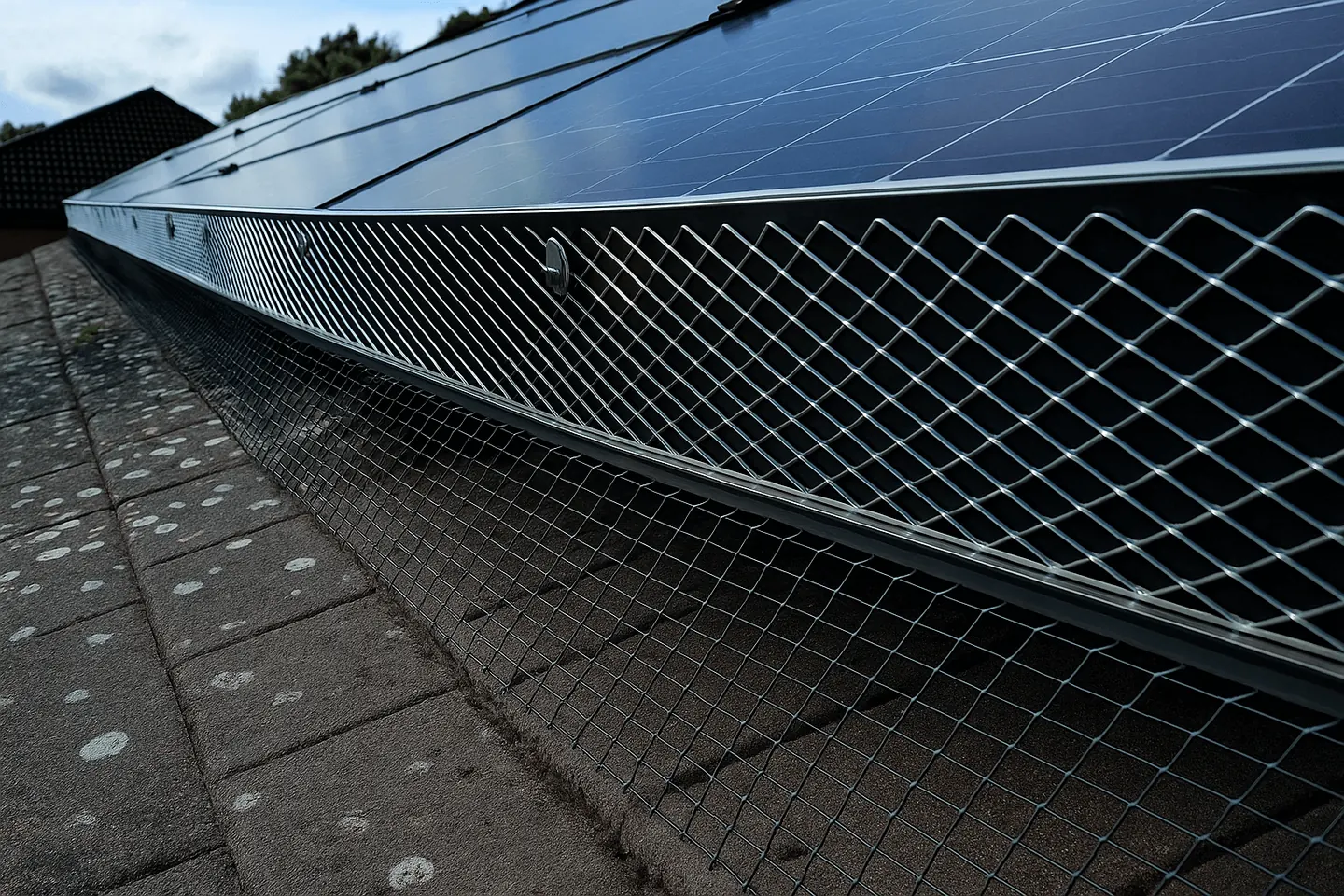
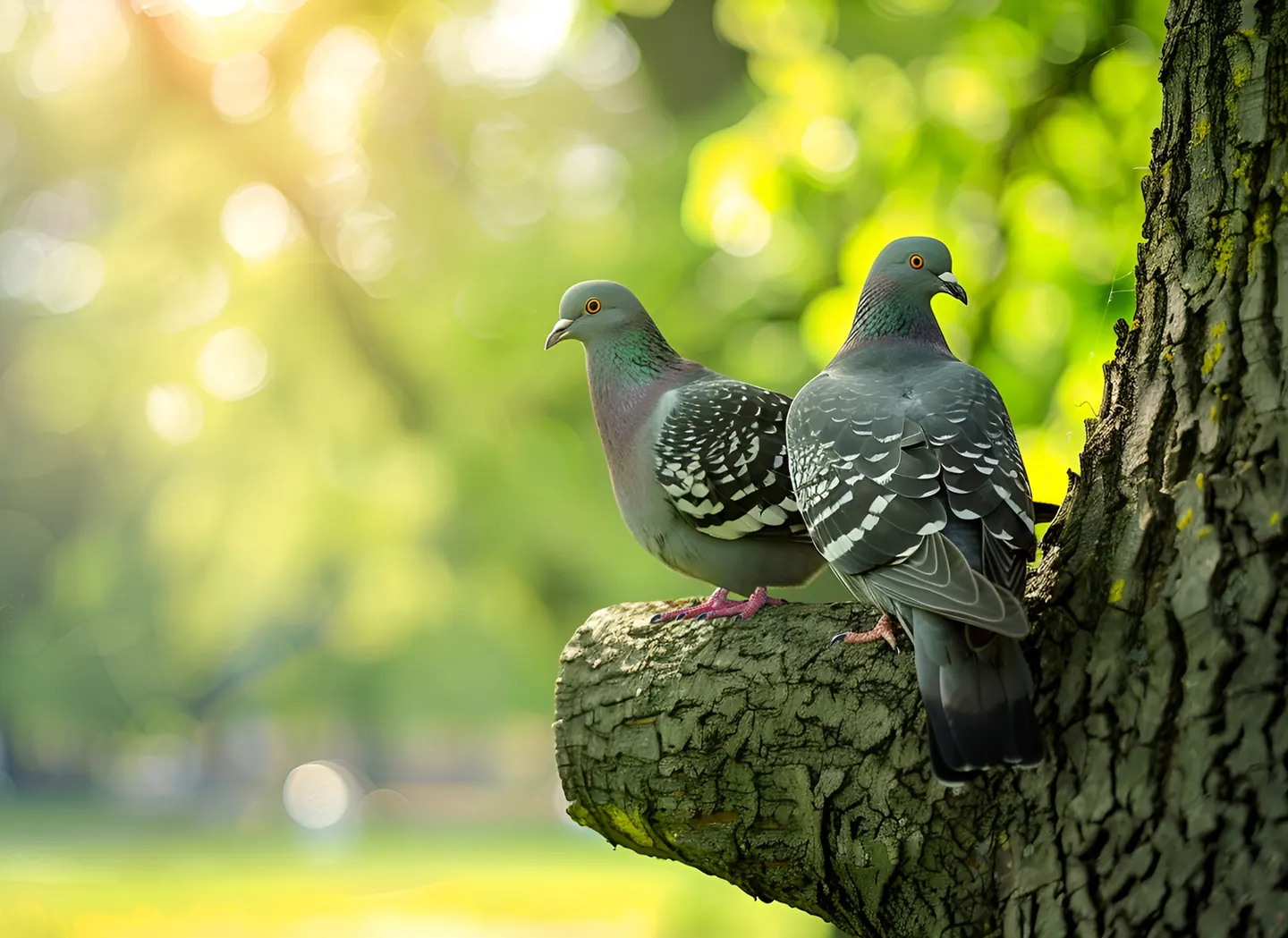
Bird proofing means changing the building so birds cannot land, roost or nest where they cause a problem, instead of chasing them off and watching them return. Pigeons on a ledge, gulls on a flat roof, starlings in a soffit gap or sparrows behind the fascia each call for a different mix of netting, spikes, wire and sealing.
We survey the building, identify the species and the pressure, and recommend a deterrent that suits the structure and the way the birds use it. All wild birds, their nests and eggs are protected under the Wildlife and Countryside Act 1981, so proofing is the lawful answer, and nest work waits until the nest is out of use or, for feral pigeons, a general licence applies.
If you are looking for bird control in Wakefield, Leeds, Bradford, Huddersfield or Halifax, we cover all five and the towns between, for houses, flats, shops, offices, industrial units and public buildings.
Plastic owls, reflective tape and ultrasonic boxes work for a few days at most; pigeons and gulls soon see they are harmless. A physical barrier does not rely on fear, so there is nothing to get used to.
A roost that suits one pair suits others. Feral pigeons rear several broods a year, gulls raise one but return to the same roof every spring, and young birds often settle close to where they hatched.
Fouling corrodes stone, paint and metal, blocks gutters and makes walkways slippery, and every clean-up is a cost that comes round again while the birds stay.
Nests pack into gutters, vents and the gap under solar panels, hold water against the roof, and shelter bird mites, carpet beetles and moths that find their way indoors.
Herring gulls and lesser black-backed gulls are not covered by the general licences in England, so with gulls the work is proofing outside the breeding season. We tell you what is and is not possible before anything is booked.
Fouling that builds up around ledges, gutters and sills, and on the ground beneath them.
Twigs, feathers, moss and debris on roofs, in gutters and on window sills.
Persistent calling, cooing or squawking from the roof, the loft or a soffit.
Nests in air vents, chimney openings and downpipes, and behind fascia boards.
Staining, etched stone, lifted roofing felt and damp patches from droppings and nest debris.
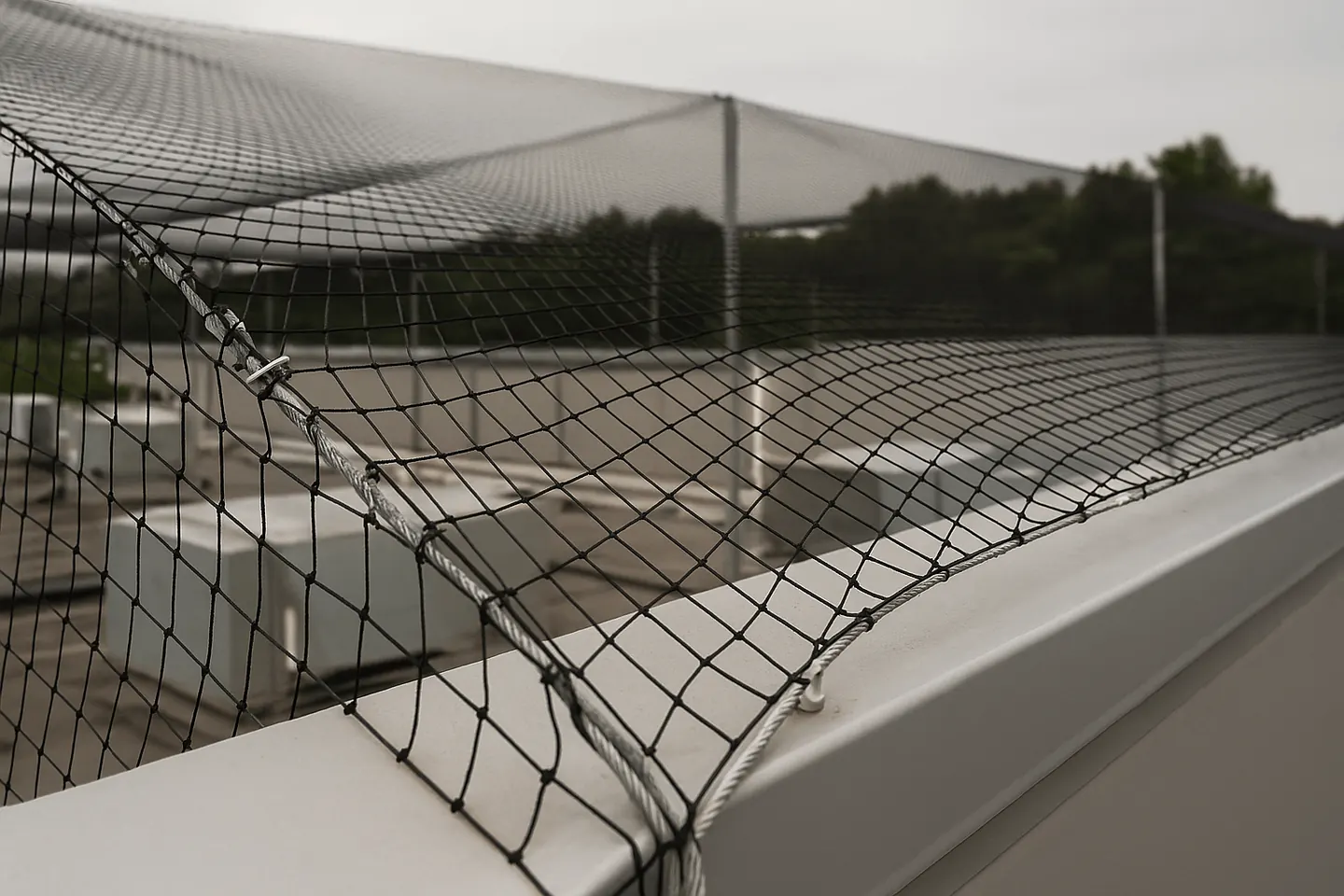
We identify the species, count the birds, note where they land, roost and nest, check access and look for active nests, then agree what goes where.
Nests that are out of use are removed with the droppings around them, surfaces are cleaned and treated, and the netting, spikes, wire or mesh is fixed to the building.
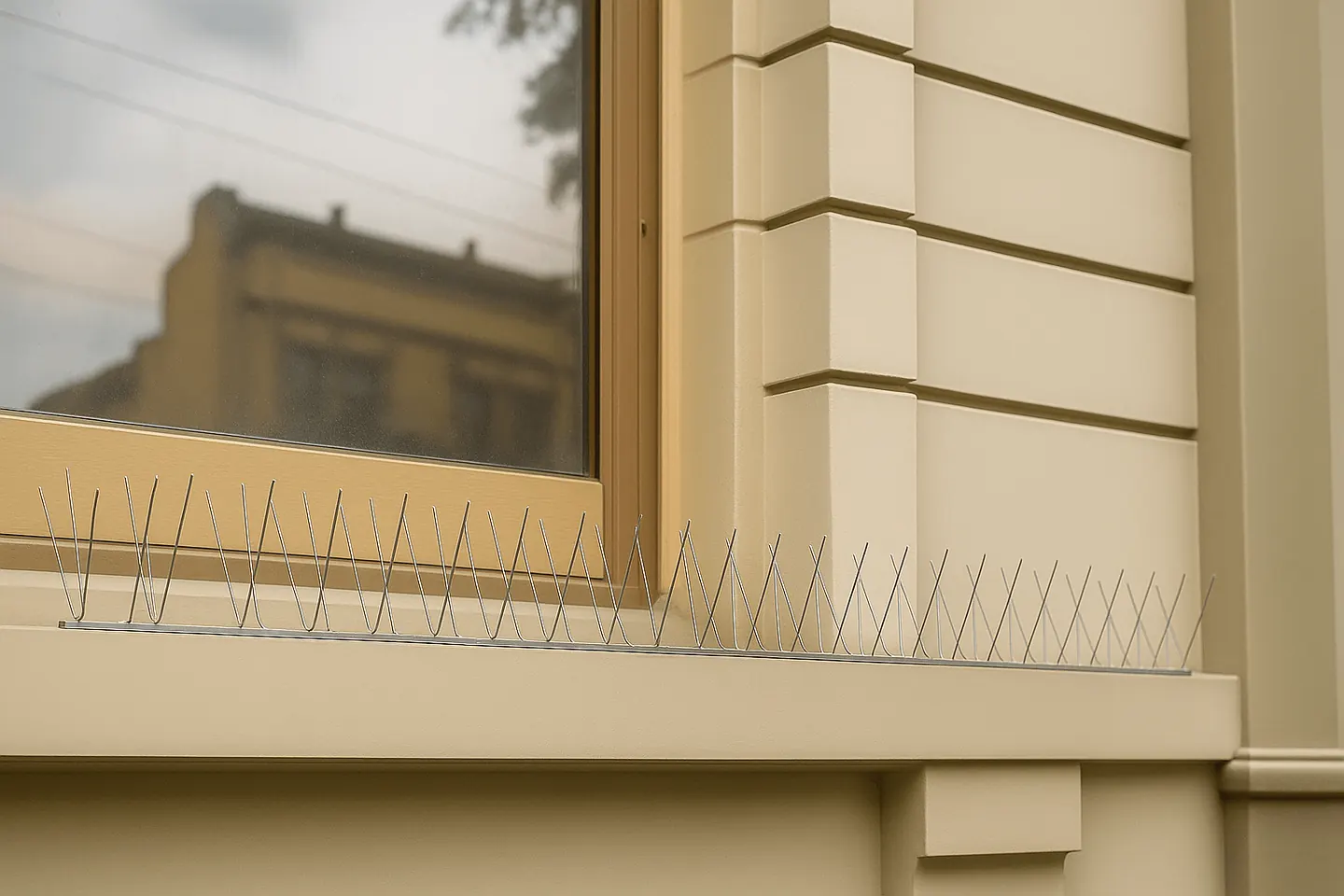
We walk the installation with you, check every fixing and edge, and seal any remaining gaps into the roof or soffit.
You get plain advice on what to watch for, how to keep food sources down and when to call us, for example after storm damage or building work.
Tell VermiCure what you have noticed and ask about the next step.
