
Confirm
We check the loft and roofline to confirm squirrels rather than rats or birds, gauge numbers, look for young and find the entry points.

Practical pest control support for homes and businesses.
Squirrel control for lofts and roof spaces in Wakefield and West Yorkshire, with inspection, damage checks, legal control options and proofing advice.
We deal with grey squirrels in lofts and roof spaces across Wakefield and West Yorkshire, from confirming what is up there to trapping and proofing the roofline.
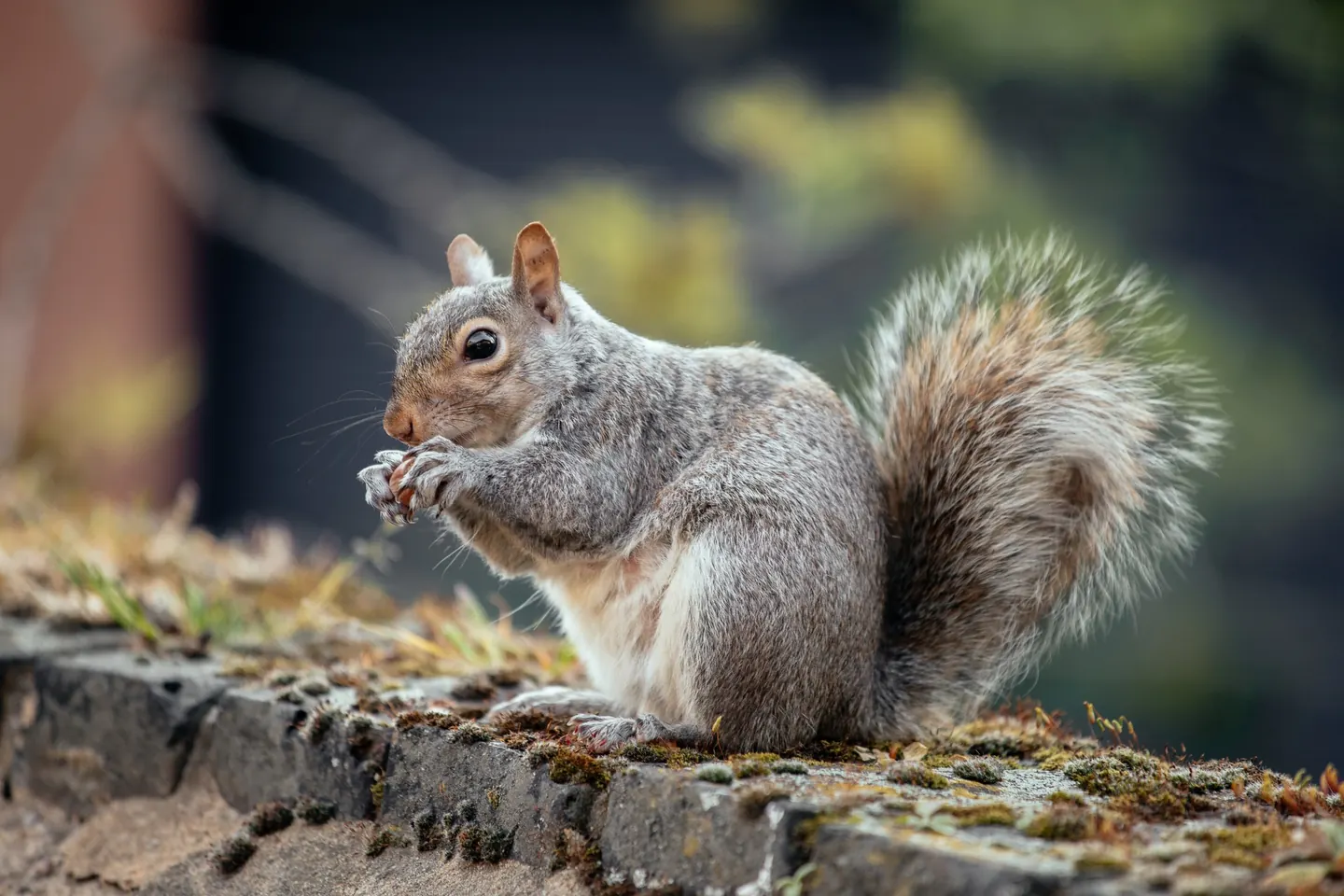
Squirrels in the loft are a damage problem first and a noise problem second. Grey squirrels strip loft insulation for nesting, gnaw timbers, pipes and cables, and soak the insulation under the nest with urine and droppings.
At VermiCure we first confirm it is squirrels rather than rats or birds, because the law and the method differ. We trap the squirrels inside, then find and seal the roofline gaps they came through. We cover squirrel removal in Wakefield and across West Yorkshire for homeowners, landlords and managing agents.
Grey squirrels are listed as invasive non-native under the Wildlife and Countryside Act. Releasing one after trapping is an offence, so trapping is only for someone prepared to act lawfully.
A squirrel's front teeth grow continuously, so it gnaws timber, plastic, cable sheathing and lead flashing. Chewed cables in a loft are a fire risk.
Loft insulation is torn up into a drey and the area around it becomes a toilet. Soiled insulation has to be removed, not hoovered.
A 40mm gap at the eaves, a lifted tile, a rotten fascia or a chewed soffit vent is enough; they jump from trees and cables onto the roof.
Grey squirrels raise litters in late winter and again in summer. Sealing the loft with young inside leaves them to die in the roof space, so timing matters.
Heavy scampering, scratching and thumping across the ceiling, loudest early morning and late afternoon.
Fresh gnaw marks on rafters, plastic water pipes, cable sheathing and stored items.
A football-sized nest of insulation, leaves, twigs and paper, often near the eaves.
Rounded, around 8 to 12mm and scattered, rounder than rat droppings.
Lifted tiles, holes in soffits and fascias, or a squirrel disappearing under the eaves.
We check the loft and roofline to confirm squirrels rather than rats or birds, gauge numbers, look for young and find the entry points.
We set approved spring traps or cage traps on the squirrels' routes in the loft, away from you and your pets, and check them daily. We do not use poison.
Once the loft is clear we seal the entry points with galvanised steel mesh and tell you where fascia boards need a roofer or branches need cutting back.
We return to check the traps and proofing, remove any further squirrels and confirm the loft has stayed quiet. Soiled insulation can be cleared as a separate job.
Tell VermiCure what you have noticed and ask about the next step.
